
 English
 Español
 العربية
 ไทย
ไทย

pencucian piring massal
Mass dishwashing is an organized, large‑scale process used in places like restaurants, hotels, cafeterias, hospitals, and event venues to clean and sanitize high volumes of dishes, glassware, and utensils efficiently. Unlike home kitchens, where a few plates are washed at a time, mass dishwashing handles hundreds or even thousands of items per hour and must meet strict hygiene standards.The process usually starts at the dish return area, where used plates, cutlery, and trays are collected. Staff first scrape off leftover food into waste containers to avoid clogging the system and reduce the amount of soil in the washing water. Items are then sorted by type: plates, bowls, glasses, cutlery, and larger cookware such as pots and pans. Sorting helps each item receive appropriate handling and reduces breakage.Pre‑rinsing is often the next stage. Dishes may be sprayed with warm water to remove loose debris before entering the machine. This step improves washing results and extends the effectiveness of detergent. In high‑volume operations, this is done with high‑pressure spray nozzles over a dedicated sink or station.The heart of mass dishwashing is the commercial dishwasher. There are different types, such as conveyor machines, flight‑type machines, and hood‑type machines. Conveyor and flight‑type machines allow racks of dishes or individual items to move continuously through several zones. Typically, items pass through a pre‑wash, main wash, rinse, and final sanitizing stage. Detergents and rinse agents are automatically dosed to maintain consistent cleaning power.Water temperature is carefully controlled. The main wash usually uses hot water to break down grease and food residues, while the final rinse is often even hotter to sanitize and speed up drying. In some systems, chemical sanitizers are used at lower temperatures instead of extremely hot water, particularly where energy savings or material safety is a concern. The goal is to remove visible soil and reduce microorganisms to safe levels.After washing and sanitizing, dishes move to the drying and inspection area. Many items air‑dry quickly thanks to the heat retained from the rinse cycle and the use of rinse aids that help water run off surfaces. Staff then check for any remaining stains, spots, or damage. Items that are not fully clean are sent back through the machine. Clean dishes are stacked or stored in racks, then transported to storage areas or directly back into service.Efficient mass dishwashing also involves safety and ergonomics. Staff wear protective gloves or aprons, and workstations are designed to minimize heavy lifting and repetitive strain. Clear procedures help prevent cross‑contamination between dirty and clean areas. Regular maintenance, such as cleaning filters, descaling the machine, and checking chemical levels, is essential to keep the system reliable and hygienic.Overall, mass dishwashing combines mechanical power, controlled chemicals, skilled staff, and strict procedures to ensure that large numbers of dishes are cleaned quickly, safely, and consistently in busy food service environments.
Produk
Kategori:
-
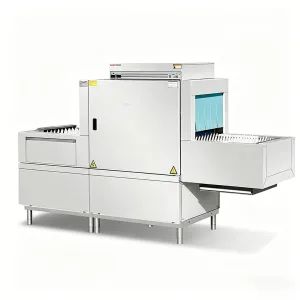
Mesin Pencuci Piring Konveyor Panjang Kelas Komersial untuk Pencucian Piring Massal
Klasifikasi mereka: Seri Pencuci PiringTampilan: 11Nomor:Waktu rilis: 2026-04-20 14:51:06Mesin pencuci piring konveyor panjang komersial ini mendukung pencucian piring massal secara terus menerus dengan fungsi pembersihan, pembilasan, dan pengeringan terintegrasi. Ini sangat meningkatkan efisiensi dan memenuhi standar kebersihan yang ketat untuk lokasi katering yang sibuk.
Berita
Kategori:
Tidak ada hasil pencarian!
Kasus
Kategori:
Tidak ada hasil pencarian!
Video
Kategori:
Tidak ada hasil pencarian!
Download
Kategori:
Tidak ada hasil pencarian!
Rekrutmen
Kategori:
Tidak ada hasil pencarian!
Produk yang direkomendasikan
-
NEWS
Mesin Pencuci Piring Konveyor Panjang Kelas Komersial untuk Pencucian Piring Massal
Pelajari lebih lanjut



 ada apa
 Telepon